







Search Results for: Blind Tasting Grind
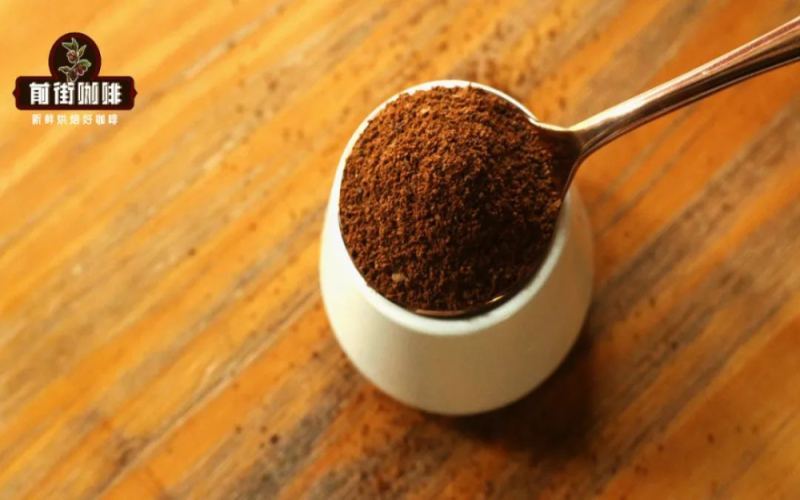
Pour-Over Coffee Grind Size Self-Test Guide: From Spice Analogies to Blind Tasting Practice
Among the many variables in pour-over coffee, grind size is often the hardest to describe precisely in words. Every enthusiast uses a different grinder, so when baristas communicate with customers, they usually have to rely on everyday seasonings as analogies. Although this approach has its limitations, it is an effective way to quickly establish a brewing framework. This article will systematically sort out the applicable scenarios for four grind reference points—fine salt, fine granulated sugar, coarse granulated sugar, and sea salt texture—and, using a natural-process red cherry coffee as an example with the MAVO Wizard 2.0 manual grinder, demonstrate how to gradually "blind-test" your ideal setting when faced with an unfamiliar grinder by observing the bloom pattern, drawdown time, and coffee grounds condition, helping you find your own cup of good coffee. [more…]

Coffee Brewing Water Blending, Paragon Ice Ball, and Tasting Cup Stacking Effect Test: Front Street Coffee Huakui Blind Test Comparison
When brewing coffee, water quality, cooling methods, and tasting cup types are often treated as independent variables, but can combining all three lead to more significant sensory improvements? Front Street Coffee designed a controlled experiment using Huakui beans as samples: one group used regular mountain spring water, no ice ball, and a standard espresso cup, while the other used a custom water concentrate, a Paragon ice ball, and an aromatic tasting cup, with completely identical brewing parameters. Through concentration measurements and blind tasting, the actual contributions of these tools at different stages were verified. This article documents in detail the TDS control of the custom water concentrate, the cooling mechanism of the Paragon ice ball, and the aroma-concentrating effect of the tasting cup, and invited colleagues and customers to participate in a blind selection. The final results were highly consistent, providing coffee enthusiasts with a reproducible reference for combined techniques. [more…]
A Complete Analysis of the Variety, Processing Characteristics, and Pour-Over Flavor Profile of Golden Mandheling Coffee Beans
Golden Mandheling is a particularly outstanding member of the Mandheling coffee family, and its cleanliness, high sweetness, and smooth, dark-chocolate-like mouthfeel have changed many coffee lovers' preconceived impressions of Mandheling. Front Street Coffee once conducted a blind tasting of 7 Mandheling coffees from different producing regions, and Golden Mandheling won unanimous praise from all participating baristas thanks to its high sweetness and clean cup profile. This article will provide a detailed explanation of Golden Mandheling's producing region and origins, its wet-hulling processing method, PWN's hand-sorting standards, and the pour-over brewing parameters and flavor performance recommended by Front Street Coffee, helping readers gain a comprehensive understanding of what makes this bean unique. [more…]
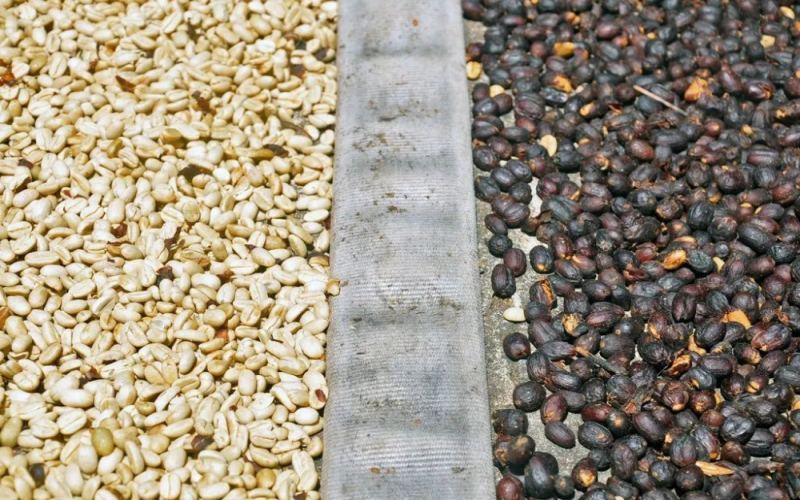
Why Are Washed Coffees More Acidic Than Natural Ones? Understanding the English Terms and Flavor Differences of Two Processing Methods
Washed and natural are the two most mainstream processing methods in the coffee industry, but for most enthusiasts, it is hard to tell which flavor profile in the cup belongs to which just by name. Some say natural coffees are sweeter and washed coffees are more acidic—is this claim actually true? This article will analyze the processing steps, the causes of flavor, English terminology, and other angles, and with the help of Front Street Coffee's Panama Butterfly natural and washed versions, conduct a blind tasting comparison to help readers clarify the core differences and respective charms of the two processing methods. [more…]
Analysis of Mandheling Coffee Flavor Characteristics and Brewing Methods: Differences Between PWN Golden Mandheling and Gayo Golden Mandheling
Mandheling coffee is the signature of Indonesia's Sumatra region, known for its full-bodied richness, subtle acidity, and understated character. Front Street Coffee conducted a blind tasting in which baristas cupped the coffees without knowing the identity of the beans, and the result was that PWN Golden Mandheling was identified the fastest. Also present was a Front Street Gayo Golden Mandheling; both come from the same region and both use wet-hulling processing, so where exactly do they differ? This article starts with Front Street Coffee's blind tasting, outlines the growing background of the Gayo Mountain region, compares PWN Golden Mandheling and Front Street Gayo Golden Mandheling in terms of variety, screening standards, and flavor performance, and includes Front Street Coffee's roasting records and brewing parameters to help coffee lovers understand how Mandheling coffee should be enjoyed. [more…]
Who is Indonesian Mandheling coffee suitable for? Front Street PWN vs. Gayo Golden Mandheling flavor and brewing comparison
Mandheling coffee is known for its rich, full-bodied taste, but Mandheling beans from different producing regions and screening grades vary noticeably in flavor. Front Street Coffee once conducted a blind tasting of seven Mandheling coffees, and the one the baristas identified fastest was Front Street PWN Golden Mandheling. This article compares Front Street PWN Golden Mandheling and Front Street Gayo Golden Mandheling one by one, from producing-region altitude, variety screening, and processing methods to roasting and brewing, and provides specific flavor descriptions and pour-over parameters to help coffee lovers find the Mandheling that suits their taste. [more…]

Full Analysis of the Panama BOP Competition: Differences and Brewing of Hacienda La Esmeralda Geisha Red, Green, and Blue Label Coffee Beans
The Best of Panama (BOP) is the world's first green coffee competition, using blind cupping to conduct sensory evaluation of Panamanian specialty coffee, and it has greatly promoted the specialty cultivation of Panamanian coffee. This article begins with the history of the BOP auction and provides a detailed introduction to the Geisha legend of Hacienda La Esmeralda, including the grading criteria for Red Label, Green Label, and Blue Label, their plot origins, processing methods, and flavor differences, along with Front Street Coffee's brewing parameter recommendations to help coffee enthusiasts gain a comprehensive understanding of the origins and evolution of this top-tier Geisha. [more…]
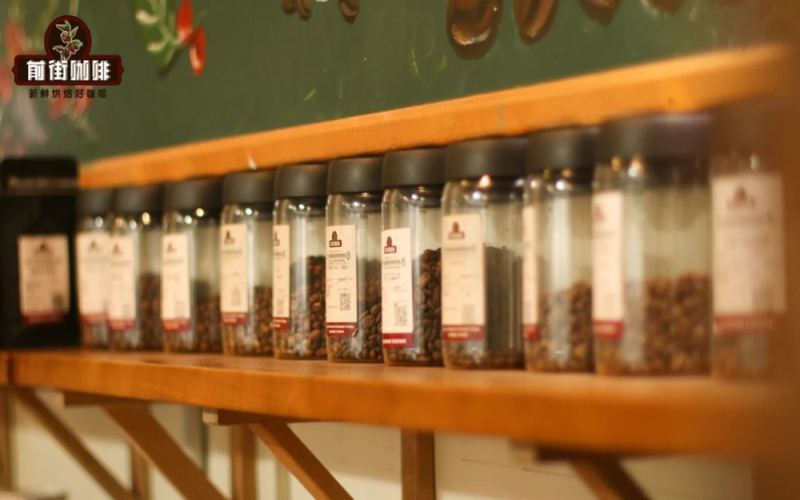
Ethiopian Heirloom Coffee Beans: Unraveling the Truth and Flavor Mysteries of Heirloom Varieties
Ethiopian coffee beans are perpetually labeled with the variety name Heirloom, but what exactly lies behind this broad designation? Why are Ethiopian beans always so inconsistent in size and so varied in flavor? This article, from the perspective of Front Street Coffee, traces the origin of the term "heirloom" and the controversies surrounding its definition, analyzes Ethiopian coffee variety classification, cultivation models, and green bean grading systems, and, through a blind tasting comparison of Front Street Sidamo Natural Arsi, reveals the true flavor differences between large and small coffee beans, helping you genuinely understand the richness and complexity of Ethiopian coffee. [more…]

Pour-Over Coffee: Water Pouring Technique vs. Coffee Beans—Which Matters More? An In-Depth Analysis from Extraction Principles to Front Street Coffee in Practice
In an era where self-media tutorials are everywhere, beginners often blame their brewing technique when coffee doesn't taste good. But can technique really turn something mediocre into something magical? Starting from the dissolution patterns of flavor compounds, this article analyzes how the alternation of washing and soaking during pouring affects extraction efficiency, and uses the comparison between the three-pour method and the one-pour method as an example to reveal the source of differences in sweetness. At the same time, through blind tasting experiments, Front Street Coffee shows that what ultimately determines the ceiling of a cup of coffee is still the beans themselves. Technique can only add the finishing touch; choosing the right beans is the key. [more…]

Cold Brew Guide | How to Make Cold Brew Coffee Without a Fridge? How Long Can Cold Brew Coffee Last at Room Temperature? Which Coffee Beans Are Best for Cold Brew?
It sounds like a cliché, but this summer really is scorching hot! There are many ways to beat the blazing summer heat, and in the coffee world, the best solution is of course the wildly popular cold brew coffee of recent years. If you also want to easily make authentic and delicious cold brew coffee at home, then please follow Front Street Coffee and learn well. [more…]
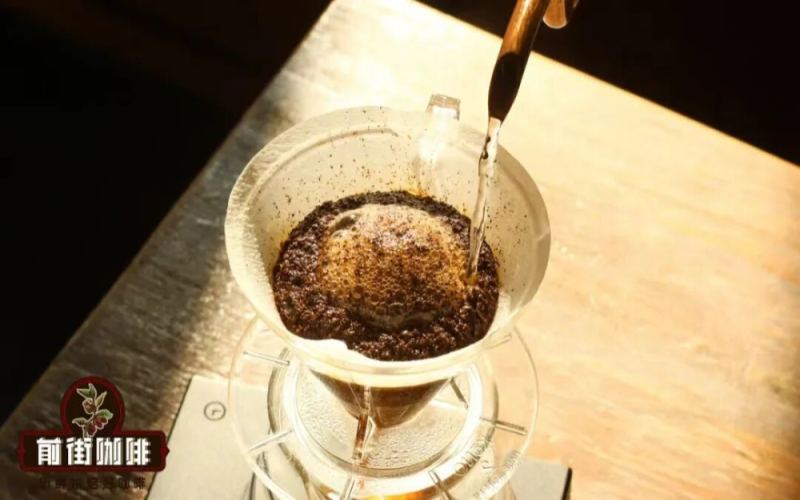
Bloom Time | Why is blooming necessary when making pour-over coffee? What effects does the length of the bloom time have on the taste of the brewed coffee?
"How big of a difference can there be between coffee with a 30-second bloom and a 60-second bloom?" This was a question a friend asked Front Street Coffee yesterday. I have to say, this question is actually quite interesting! As we all know, blooming is a routine step in pour-over coffee. Specifically, before the official pour, we pre-pour [more…]
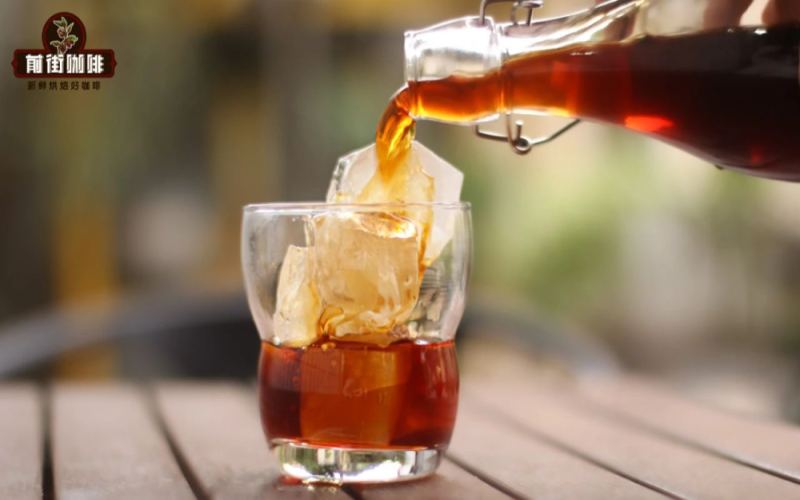
How to Make Cold Brew Coffee at Home: Coffee-to-Water Ratio, Grind Size, Shelf Life, and Front Street Coffee Bean Recommendations
The scorching summer is hard to endure, and cold brew coffee has become the top choice for many coffee lovers to beat the heat. Starting from the underlying principles, this article explains clearly why cold brew coffee tastes more balanced, then walks through step by step the types of coffee beans suitable for cold brew, the reasonable range for the coffee-to-water ratio, how grind size and steeping time work together, and how long it can be kept once made. The article also gives specific recommendations based on several Front Street Coffee beans, including the dark-roasted Queen's Estate, PWN Golden Mandheling, the light-roasted Fruit Ding Ding, Little Tomato AA, as well as the specially processed Strawberry Candy and Front Street Xizhua, to help you avoid detours and make a smooth, consistent cup of cold brew at home. [more…]

Is Coffee Bean Size Related to Flavor Intensity? Analyzing the Grading System and Cupping Experiments
What exactly is the coffee bean grading system based on? Does bean size directly determine flavor intensity? To answer these questions, Front Street Coffee specially selected Costa Rican Mozart beans for a cupping comparison experiment, sorting the same batch of beans into large, medium, and small sizes, then taking the largest and smallest two beans for a blind extraction test. The results showed that the two did indeed differ slightly in flavor, but the direction was unexpected—the small beans actually had a more prominent flavor than the large beans. However, this difference mainly came from the degree of roasting deviation caused by different particle sizes, rather than the bean size itself. What truly determines coffee flavor is genetics, growing environment, processing method, and roasting degree. This article will combine experimental data with industry theory to systematically sort out the logic of coffee bean grading and the real factors affecting flavor. [more…]
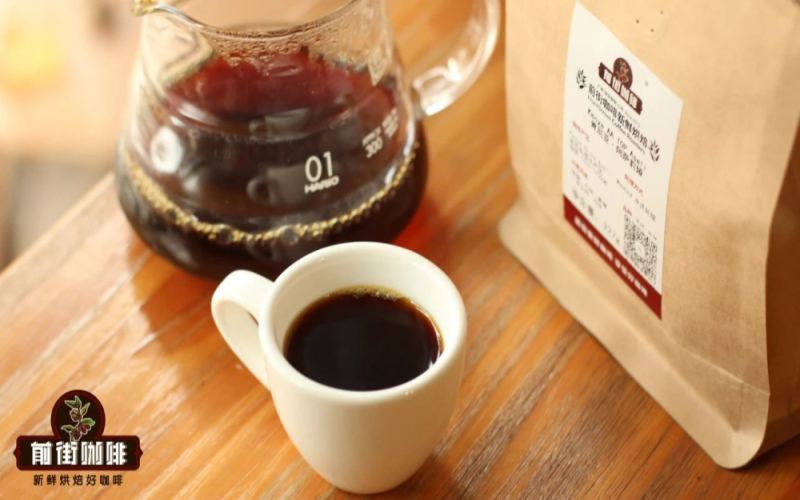
Explaining Kenya's Green Coffee Bean Grading System: How Do AA and AB Differ, and How Do They Perform in Espresso
Kenyan coffee is renowned for its vibrant berry notes, lively acidity, and substantial body, and its unique Kenyan-style washing process and green bean grading system based on bean size are equally noteworthy. What exactly do the commonly seen grades in China such as AA, AB, and PB mean? Is AA necessarily better tasting than AB? Front Street Coffee provides the answer through blind testing. This article will systematically outline Kenya's green bean grading standards and quality assessment procedures, and, in conjunction with Front Street's Little Tomato, an AA-grade washed bean from the Thika region, introduce the characteristics of the SL28 and SL34 varieties, the K72 washing method, and specific roasting and brewing plans, helping you gain a comprehensive understanding of the flavor code of Kenyan coffee and its application potential in espresso. [more…]
Tracing the Origins of Panama's BOP Competition: Hacienda La Esmeralda Geisha Red, Green, and Blue Label Grades and Their Brewing Flavor Analysis
The Panama BOP (Best of Panama) is the world's first green coffee competition. Since its inception in 1996, it has profoundly advanced the development of specialty coffee, and Hacienda La Esmeralda's Geisha shot to fame in 2004. Hacienda La Esmeralda meticulously grades its Geisha by altitude and plot, forming a three-tier system of Red Label, Green Label, and Blue Label. This article systematically reviews the origins of the BOP competition and auction, the history and plot divisions of Hacienda La Esmeralda, analyzes in detail the definitional differences between Red Label, Green Label, and Blue Label, and includes Front Street Coffee's brewing parameter recommendations and flavor descriptions, providing coffee lovers with a complete guide to Geisha knowledge. [more…]
Analysis of the Differences Between Panama Hacienda La Esmeralda Geisha Red, Green, and Blue Labels, Plus BOP Auction and Award History
Panama's Hacienda La Esmeralda Geisha coffee beans are world-renowned, but what exactly are the differences between the Red Label, Green Label, and Blue Label? From the perspective of Front Street Coffee, this article systematically sorts out the origins of the BOP (Best of Panama) green bean competition and its auction mechanism, reviews Hacienda La Esmeralda's journey from its establishment in 1964 to its rise to fame with Geisha in 2004, and analyzes in detail the microclimates and grading logic of the estate's three major plots: Jaramillo, Cañas Verdes, and El Velo. At the same time, the article will explain the definitions, altitude ranges, processing methods, and flavor characteristics of the Red Label, Green Label, and Blue Label, and provide brewing parameters recommended by Front Street Coffee, helping coffee enthusiasts fully understand the grading system and key purchasing points of Hacienda La Esmeralda Geisha. [more…]

How to Determine the Espresso Grind Setting? A Quick Adjustment Approach from Under-Extraction to Over-Extraction
Every morning, the first hurdle a barista faces is often not latte art, but getting the taste of espresso back on track. Coffee bean conditions and weather are constantly changing, and extraction results fluctuate accordingly. How can you find the right grind setting using the fewest beans and the shortest time? This article starts from taste, first determining whether the espresso is under-extracted or over-extracted, then uses a 1:2 coffee-to-water ratio and an extraction time of about 30 seconds as the baseline framework, correcting flavor through fine adjustments to the grind size. The article also uses Front Street Classic Blend as an example to fully demonstrate the three-step dialing process—from 23 seconds of sharp acidity to 31 seconds of balance, then fine-tuning the yield to finish—helping readers build a reusable debugging logic. [more…]
Choosing Blue Mountain-Style Coffee: Certification Information and Affordable Alternatives
The essence of authentic Blue Mountain lies in the certification and flavor profile of the Jamaican Blue Mountain region: soft acidity, balanced sweetness, and a clean cup. Front Street Coffee's Papua New Guinea Bird of Paradise offers a flavor and texture close to the Blue Mountain style—the same rounded, clean character and gentle sweetness, yet at a far more friendly price, making it a high-value alternative in the "Blue Mountain style." [more…]

How to Quickly Correct Espresso Flavor? Master the Core Techniques of Espresso Extraction Parameters
Every day the coffee bean condition and the weather keep changing, and the taste of espresso fluctuates along with them. Morning-shift baristas must learn to adjust parameters quickly to keep the output consistent. This article takes a practical approach and teaches you how to judge under-extraction or over-extraction through tasting, use the three variables of dose, grind, and liquid yield, and combine Front Street Coffee's classic blend with its 1:2 coffee-to-water ratio and 30-second extraction formula to dial in the ideal espresso with the three-grind adjustment method or even fewer attempts, reducing waste and saying goodbye to the misery of endless dialing until your head spins. [more…]

Espresso Grind Size | What Factors Affect Espresso Flavor and How to Pull a Delicious Shot by Adjusting the Grind of Espresso Beans
As we all know! The condition of coffee beans and the weather are constantly changing every day, and this directly affects espresso extraction, causing the coffee's taste to vary each day due to these changes. If we want to keep the coffee consistently delicious, we have to adjust parameters to correct the coffee's flavor. And this is [more…]